

As 2025 draws to a close, the local property markets of Edgbaston (B15) and Harborne (B17) are demonstrating two distinct trajectories. For homeowners and prospective sellers considering a move in 2026, November's performance offers highly valuable clues about supply, demand, pricing dynamics, and the momentum that will shape the early months of the new year.
This analysis brings together the latest figures for both areas and interprets what they mean in practical terms for those preparing to enter the market.
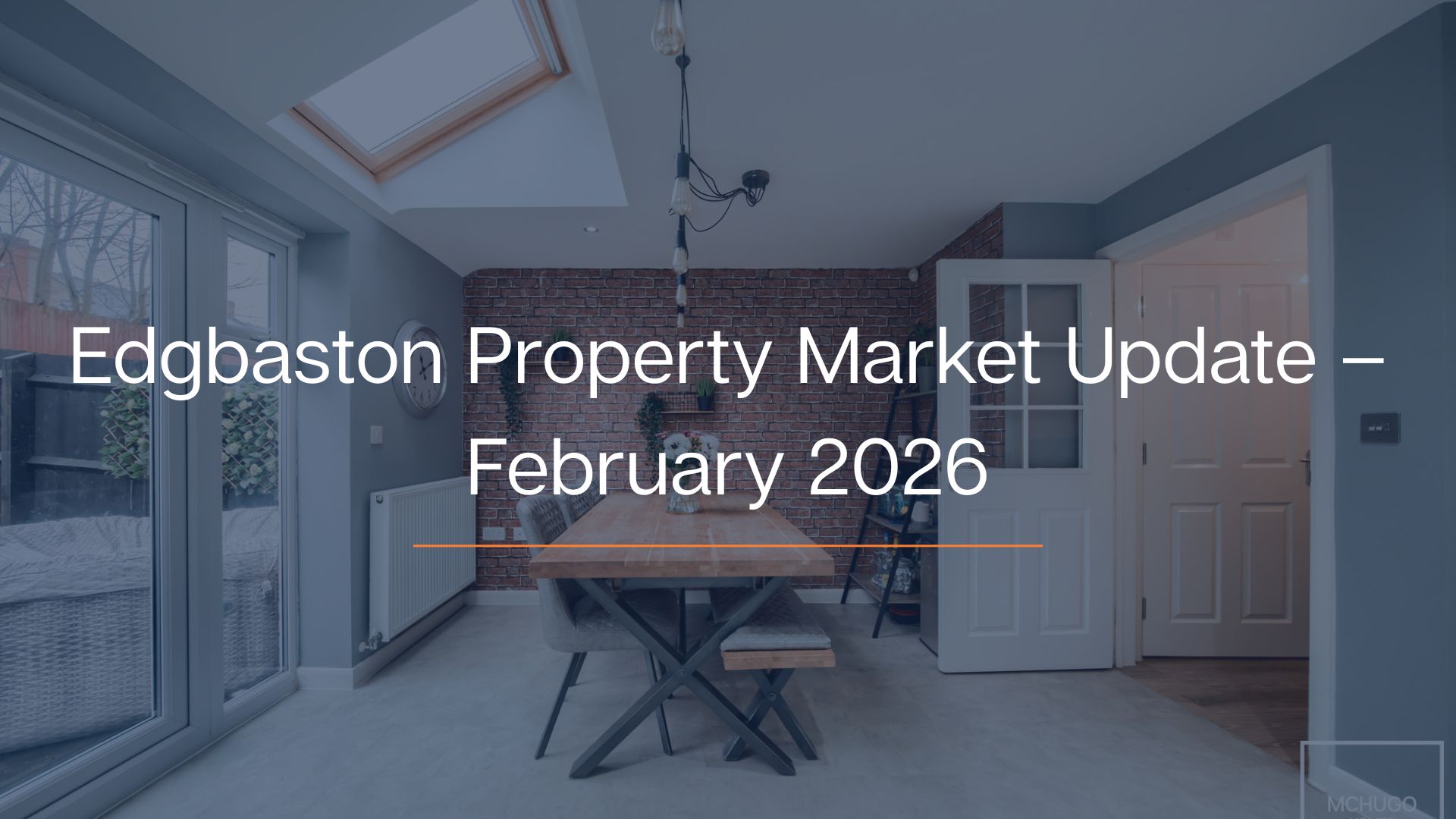
1. Edgbaston: A Highly Constrained Market Moving With Unusual Energy
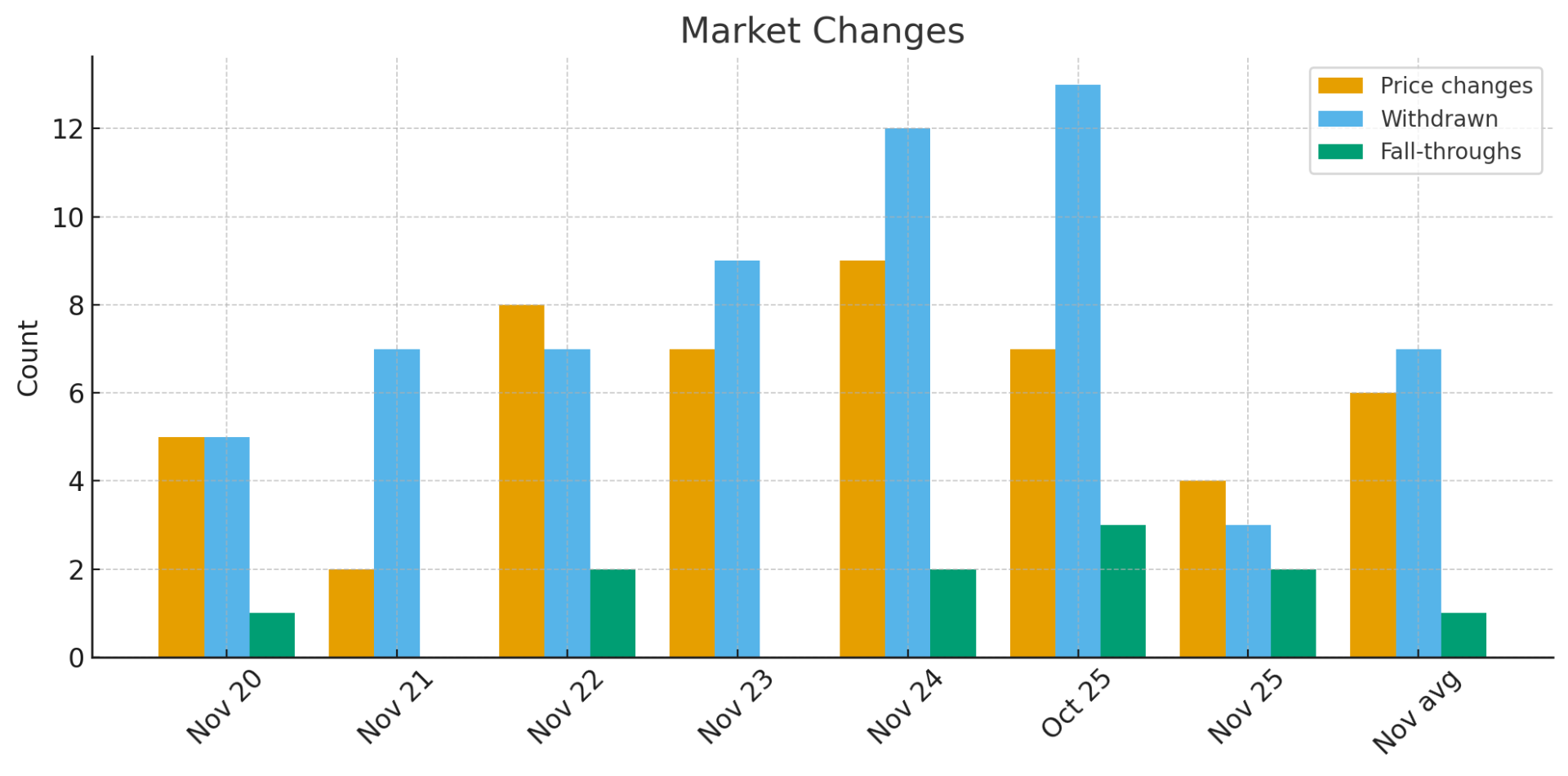
If one theme defines November’s Edgbaston housing market, it is scarcity. Available property numbers has always been structurally low in Birmingham’s premier residential district, but the latest available data in November was exceptional even by local standards.
New listings of houses saw an 80% year-on-year decline.
This is one of the most striking statistics in the dataset and reveals an extraordinarily tight pipeline of new stock coming to market .
For context, the six-year November average is nine new house listings. That means the month produced only one-third of Edgbaston’s typical seasonal supply.
And yet, buyer activity intensified.
Sales agreed rose to 10 in November, up 42.9% year-on-year and the joint-highest November figure on record for the area.
When a market with so little new supply sees sales increase, it suggests:
Demand remains resilient among affluent buyers
Properties listed earlier in autumn found their match
Serious purchasers are acting decisively ahead of year-end
Pricing dynamics: lower averages but higher £/sq ft
The average asking price dropped to £550,000, but price per square foot rose sharply to £496, up from £414 the previous year. This divergence indicates a change in stock composition, not a fall in underlying values — the mix skewed toward smaller but better-presented properties commanding strong £/sq ft premiums .
Implication for 2026:
The combination of low supply, strong buyer intent and resilient per-square-foot values points to a competitive environment in early 2026, particularly for well-positioned period homes with high architectural integrity.
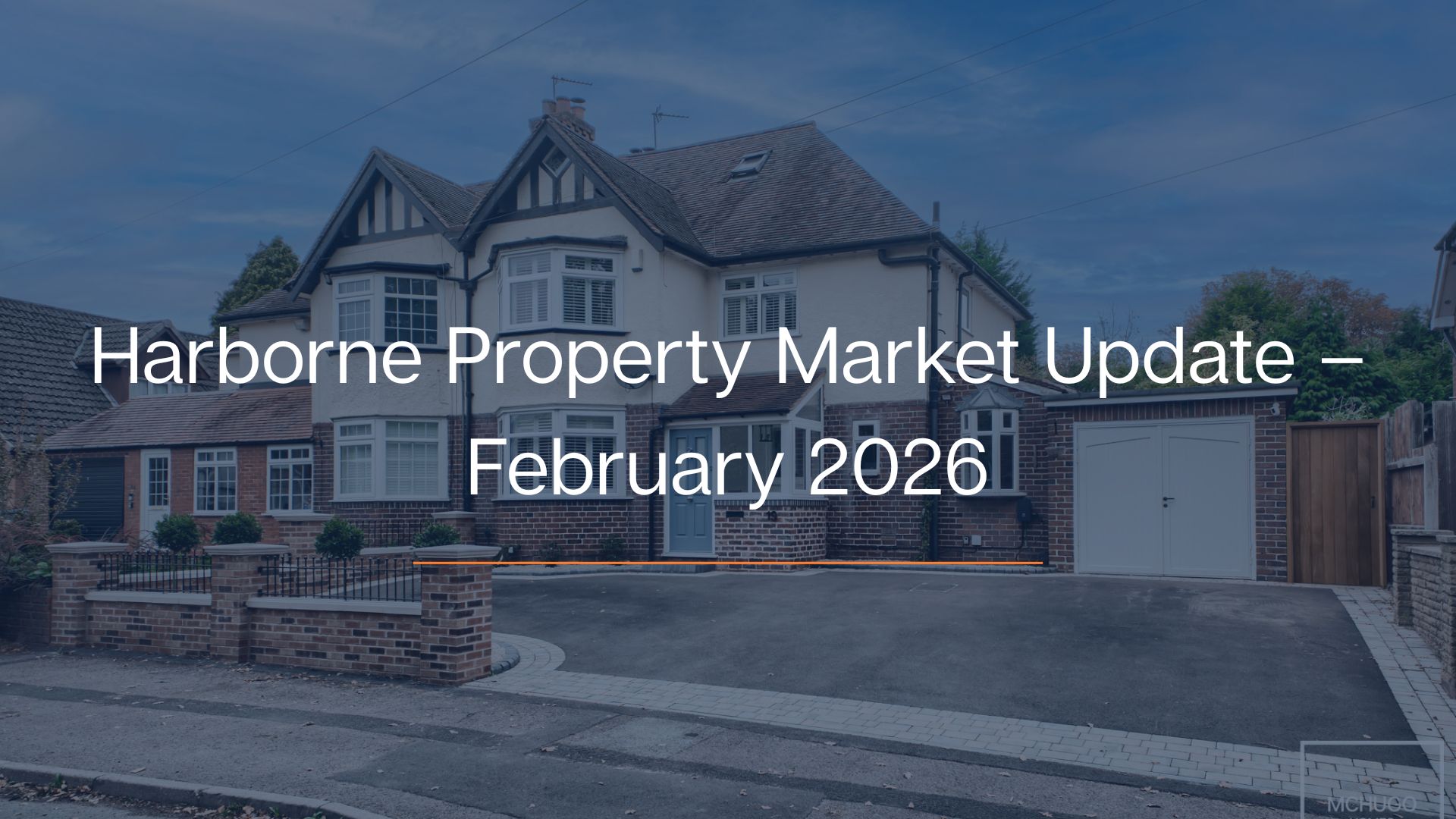
2. Harborne: A Market Normalising After Years of Volatility
Harborne’s November picture contrasts sharply with Edgbaston — not because demand is weaker, but because the supply landscape has changed.
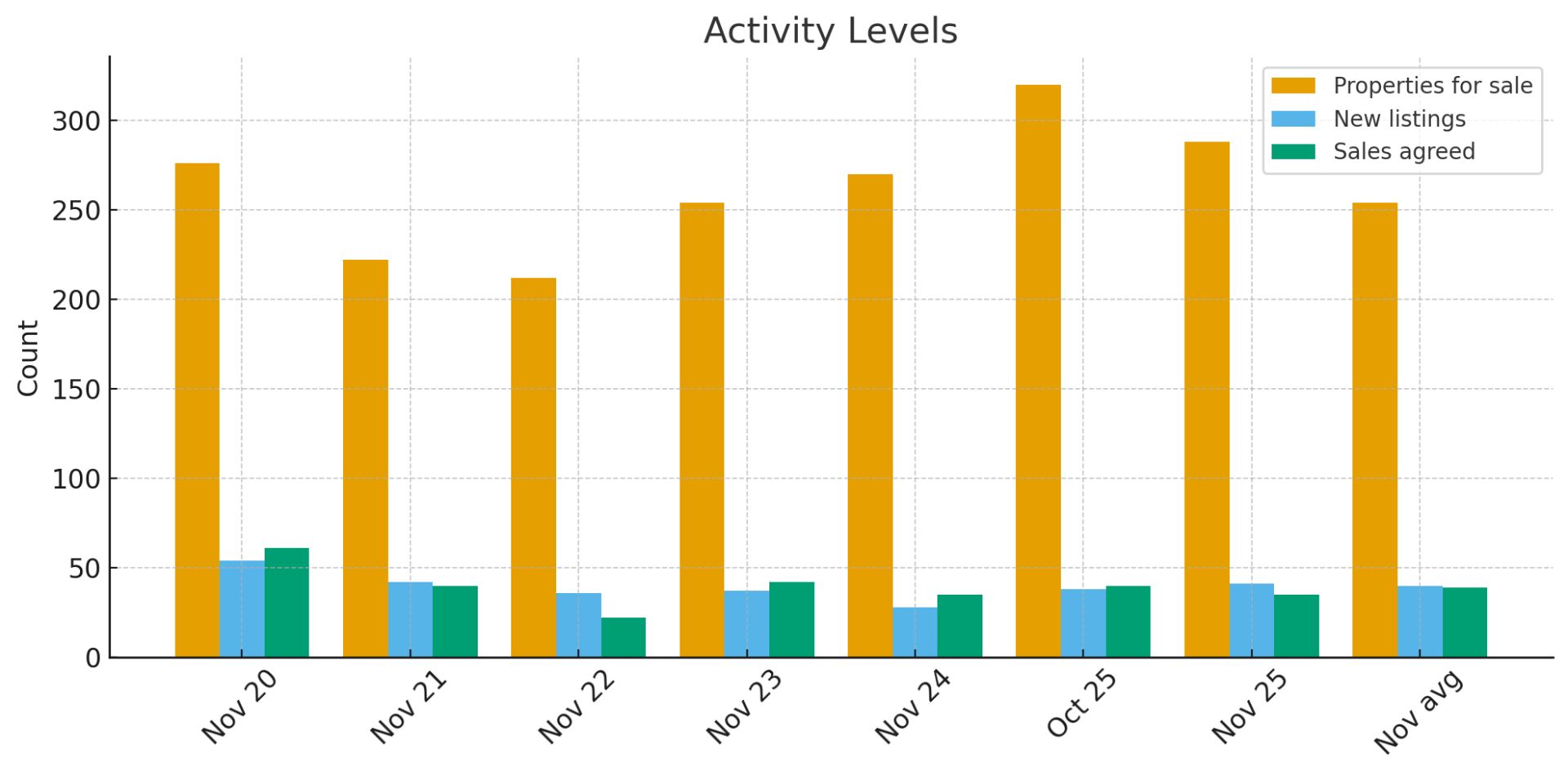
Available property levels reached 288 properties — the highest November figure since 2020.
This represents a 6.7% year-on-year increase and reflects renewed confidence from homeowners re-entering the market .
After years of unusually limited stock (especially through 2021–2022), Harborne has now returned to a more balanced environment, one that favours informed decision-making rather than reactive bidding wars.
New listings rose by 46.4% year-on-year.
This is particularly significant because November is typically a low-instruction month, making this uptick a marker of healthier market activity....particularly in a month where anticipation of The Autumn Budget impacted client motivation.
Pricing: stability rather than volatility
Harborne’s average asking price rose modestly to £470,923 (+1.3% YoY) with price per square foot remaining stable at £366. Both indicators reinforce the view that Harborne has entered a period of sustainable, rather than speculative, growth .
Transaction volumes remained steady
Sales agreed held firm at 35 — exactly matching November 2024 — despite the seasonal slowdown. This consistency suggests a resilient buyer pool responding well to increased stock choice.
Implication for 2026:
A balanced market should allow well-priced properties to perform strongly. However, with more homes available, sellers must approach pricing with precision and presentation with care — the market is now competitive again.
3. The National Context: Stability Returning After a Year of Uncertainty
The UK property market spent much of 2025 in a holding pattern as households awaited clarity ahead of the Autumn Budget. The uncertainty temporarily cooled activity, but the broader fundamentals remain stable:
Mortgage rates have fallen below 5% for the first time since 2022
Inflation is easing faster than expected
Nationwide reports consistent house price growth since February 2024
Zoopla and Rightmove note that buyer demand remains resilient at mainstream price points
The Budget ultimately avoided disruptive reforms for 99% of homeowners, a move widely seen as restoring confidence heading into 2026 .
Edgbaston and Harborne are entering 2026 from different starting points, but both show encouraging signs of stability and momentum. For homeowners contemplating a move, now is an ideal moment to gather advice, assess timing, and prepare effectively for a changing—but increasingly confident—market landscape.
If you're planning a move in 2026, now is the ideal time to speak with McHugo Homes about shaping a strategy that reflects both current conditions and the opportunities emerging in the new year.
Share this with
Email
Facebook
Messenger
Twitter
Pinterest
LinkedIn
Copy this link